Bachata / PELIGROSA MUSIC JOURNAL
Bachata: Dominican Roots and Contemporary Music
Bachata belongs to the Dominican Republic's living heritage. Explore its musical roots, instruments, social dance and place in modern recordings.
Bachata is more than a romantic mood
Bachata is now associated with dance socials, romantic playlists and modern digital arrangements. Yet understanding its cultural context requires more than describing it as slow music for couples. Bachata music and dance are closely connected to the Dominican Republic and its social life. UNESCO inscribed them on the Representative List of the Intangible Cultural Heritage of Humanity in 2019. The recognition concerns a living cultural practice, not a commercial label or a single prescribed sound for every song released under the genre's name today.
In practice, it is essential to distinguish the tradition's origins from an individual modern track. A 'bachata' label in a catalogue can guide a listener towards a certain rhythm, but it does not prove that the production was made in the Dominican Republic or recreates a historical arrangement. Musicians may draw on bachata while using electronic instruments, new vocal approaches and other musical influences. A good description acknowledges artistic freedom while keeping the cultural roots visible. Those two ideas can comfortably exist together.
What official sources say about the sound
UNESCO discusses Dominican bachata in relation to bolero and Afro-Antillean musical influences. Its description also names instruments associated with the tradition, including guitars, bongos, maracas, güiro and bass. These details offer a useful way to listen for textures across older and newer recordings. The list, however, is not a test that every modern track labelled bachata must pass. Arrangements evolve alongside popular music, and safeguarding a tradition does not mean reproducing exactly the same sound or instrumentation in every future release.
For historical statements, the strongest starting points are UNESCO's primary heritage record and the committee decision that accepted the inscription. They document a specific year, the name of the element and the cultural context being recognised. If an article makes additional claims about the date when a particular song was written or the intentions of a particular musician, separate sources are required. A document about the history of a genre does not automatically verify every fact about every modern video. Keeping these levels apart prevents accidental misinformation.
Dance, community and passing on knowledge
UNESCO also stresses bachata's social dimension: people learn, practise and pass on the dance through communities. Understanding it therefore involves human contact and social settings as well as instructional videos. Dancers may develop varied styles and terminology without necessarily abandoning shared origins. Whenever an article declares there is only one correct kind of bachata, it is worth asking which period, region and dance scene the writer is describing. Without that context, an apparently confident statement may actually be far too broad to be useful.
For beginners, a rewarding exercise is to listen closely to the rhythm before attempting a simple basic step. Notice guitar phrases, percussion, the voice and dynamic changes that invite movement. Not every recording needs to be equally fast, romantic or recognisably traditional. Musical awareness and respect for a partner matter more than reproducing an impressive sequence of steps. Learning something about the music's cultural background can add depth to the dance experience, turning it into more than memorising a routine in front of a mirror.
Describing a modern bachata track on PELIGROSA
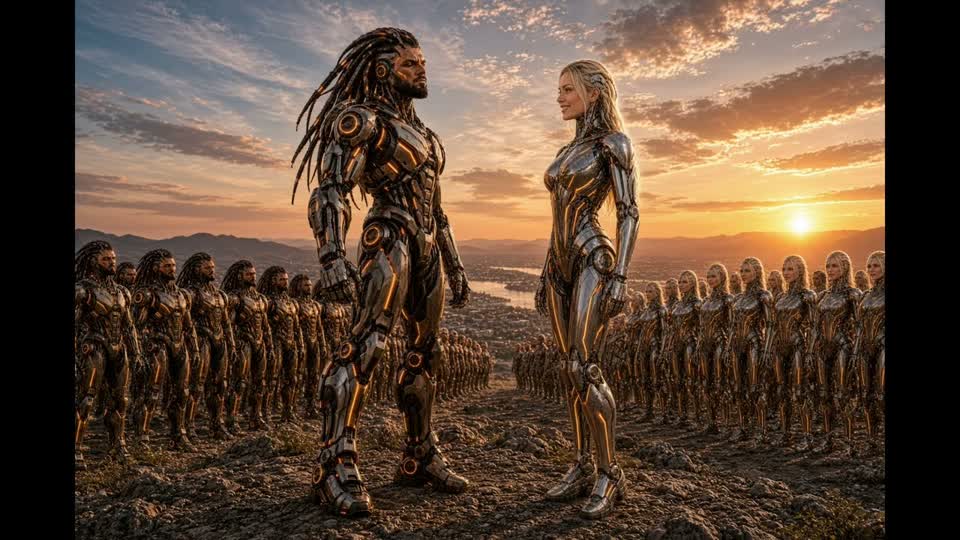
For Robachata in Marco Moretto's catalogue, it is reasonable to provide the title, a direct link to the official video and the genre label used in its presentation. It would be unreasonable to infer from the artwork, title or thumbnail that the recording itself is a historical Dominican document. Describe its atmosphere as a listener's impression. When discussing bachata's origins, point instead to appropriate cultural references. That distinction lets contemporary artistic work and genre history enrich each other without collapsing into the same claim.
The result can be a music feature that helps readers select a track for a dance evening while avoiding romantic myths presented as historical fact. PELIGROSA MUSIC JOURNAL combines attentive listening, precise names and direct links to source material. The parallel English version helps international readers, but both language editions should carry the same verified claims. Bachata is a living form capable of creative development. Making it accessible need not erase its Dominican roots or the communities through which musical and dance knowledge continues to be shared.
Sources
- UNESCO – Music and dance of Dominican bachata (2019)
- UNESCO – Decision 14.COM/10.B.10 on Dominican bachata inscription
- Marco Moretto – oficiálny YouTube kanál, video Robachata