Latino žánre / Latin genres / PELIGROSA MUSIC JOURNAL
Latin Genres: Understanding Bachata, Merengue and Salsa
What does Latin music mean? Explore the cultural roots of bachata and merengue, UNESCO heritage records and the limits of genre labels.
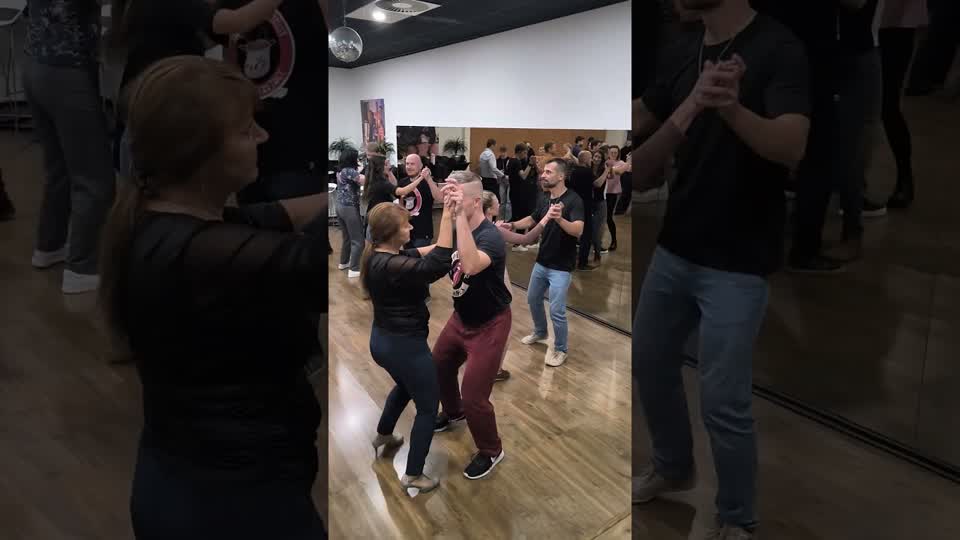
Latin music is not a single genre
Concerts, dance parties and streaming services group many different rhythms under the broad label 'Latin music'. Salsa, bachata and merengue developed in different communities and historical circumstances. Each has musical practices, dance customs and ways of passing knowledge between generations. Hearing Spanish lyrics or a strong dance beat is therefore not enough to identify a particular genre. The language of a song, an artist's country and the musical form are three different facts. They may overlap, but they should never be treated as interchangeable.
Genre labels remain helpful starting points for listeners. On PELIGROSA they guide visitors towards a dance mood, but they are navigational categories, not exhaustive academic definitions. A contemporary track may combine rhythmic features associated with several traditions. When describing it, distinguish the label chosen by the creator from an independent account of what can actually be heard. If the evidence is limited, saying 'with bachata influences' can be more accurate than making a grand statement about the historical identity of the entire recording.
Merengue as a living cultural tradition
In 2016 UNESCO inscribed the music and dance of merengue from the Dominican Republic on its Representative List of the Intangible Cultural Heritage of Humanity. The inscription concerns far more than the name of a rhythm. It addresses social participation, shared celebrations, transmission and the form's importance to Dominican cultural identity. These dimensions often disappear from short genre labels online. Music can become familiar around the world while remaining deeply connected to particular communities and the experiences through which they sustain it.
UNESCO's official description also mentions instruments associated with merengue, including accordion, drum and saxophone. They offer clues to some characteristic forms of the music, but they do not establish a rigid test for every modern recording. Arrangements change, musicians experiment and social dances absorb new sounds. Heritage recognition is best understood as acknowledgement of a living practice and its social importance. It should not be presented as a prohibition on stylistic evolution or a fixed list of instruments that every future musician must use.
Bachata reminds us to listen to people as well as songs
UNESCO added music and dance of Dominican bachata to the Representative List in 2019. Its documentation discusses connections to bolero and Afro-Antillean musical influences, as well as social dance, learning and intergenerational transmission. That account is richer than reducing bachata to 'slow romantic music'. The music may be tender, energetic or melancholy, but its place in cultural life cannot be captured by a single emotion or by the name chosen for a commercial playlist. Context matters alongside the beat.
When listening to a contemporary song labelled bachata, one might notice rhythm, guitar textures, vocals and dance possibilities. None of that requires claiming that a digitally produced track reproduces every feature of an older tradition. A video showing a dancing couple likewise cannot establish the origin of the choreography or the community behind the sound. Music writing works best when attentive listening is paired with dependable cultural references. UNESCO can explain the tradition; the individual creator is usually the primary source for details about a particular release.
How to explore genres respectfully
Choose one rhythm and compare several recordings without expecting them all to sound identical. Listen for instruments, rhythmic accents, tempo and the space the arrangement leaves for dancers. Then read how tradition bearers, cultural institutions and researchers describe the music. International popularity alone does not identify who developed a genre or who should speak for its history. Patient comparison is fairer to both musicians and communities than a confident but unsupported label. It also makes the listening experience far more interesting.
PELIGROSA can provide a doorway into this exploration. Its catalogue helps visitors find music, while carefully selected references point beyond the screen to a rhythm's wider roots. If Marco Moretto's recordings combine different moods and styles, that invites closer attention to the individual tracks; it does not rewrite the history of a genre. Accurate names, direct source links and a clear division between documented facts and personal impressions make a music journal more enjoyable and more trustworthy for both Slovak and international audiences.
Sources
- UNESCO – Music and dance of the merengue in the Dominican Republic (2016)
- UNESCO – Music and dance of Dominican bachata (2019)
- UNESCO – Convention for the Safeguarding of the Intangible Cultural Heritage