KRAMPUSNACHT · MARCO MORETTO
Krampusnacht: When Christmas turns into an interrogation
What is Krampusnacht telling us? A personal reflection on guilt, punishment and a winter night, without inventing details about the music or video.
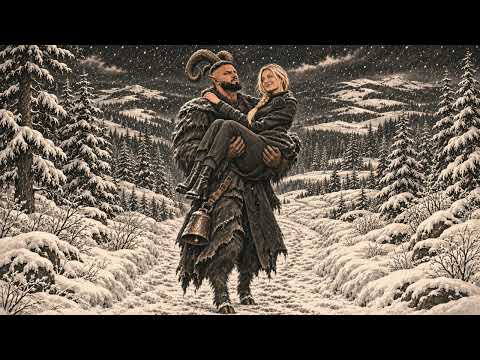
Christmas, with a slightly different visitor
Christmas means the smell of gingerbread, twinkling lights and at least a little hope that we will treat each other more kindly. Then Krampus arrives. No present, just a list of our misdeeds. In Krampusnacht, Marco Moretto presents the darker side of the festive fairy tale: what if someone takes one look at you and makes up their mind before you can speak? That sort of guest would ruin even my loveliest Christmas dinner.
What interests me most in the text published alongside Marco’s song is the strange exchange in which one voice threatens and the other seems to have no right to answer. Krampus is more than a horned figure from Advent parades. He also reminds me of everyday encounters with people who arrive carrying their one and only correct version of the truth. And you are left wondering when the trial began.
A voice that refuses an apology
Krampus is relentless in the lyrics. His logic is simple: someone has broken the rules, so consequences must follow. In traditional Saint Nicholas stories, he contrasts with the kindly saint. Here the focus falls on the person who delivers the punishment. The space left for forgiveness shrinks until even a Christmas postcard would struggle to fit inside.
To me, the most powerful moment is not the threat itself but the changing position of the person hearing it. At first, they are addressed as someone who might explain their behaviour. Gradually, it becomes clear the other party has already decided. The fairy-tale bogeyman becomes an image of power: whoever is entitled to judge may convince others they are not entitled to speak.
Bells, fire and winter darkness
Bells, a cold night, shadows and fire connect the winter tradition with a sense of danger. They are not just horror props thrown around at random. A bell announces an arrival; fire stands against the cold; darkness gives uncertainty more room. As these images recur, they build a sense that there is no easy escape from the threat.
The Christmas setting matters, too. A holiday usually associated with safety acquires a dark alternative. But this is not a historical document describing how Krampus really behaves. It is a fictional voice using a folkloric character to create an atmosphere.
When a rule becomes a verdict
The song can be read as a dark fairy tale about guilt and consequences. It can also be read as a question: what happens when rules stop being explanations and become weapons? The narrator claims to know every offence. The listener is left with the feeling of standing trial without ever receiving an invitation.
That is why I see more than a bit of Christmas horror in this story. Krampus can be a folklore monster, but also a mirror of a world where we sometimes punish faster than we try to understand. That thought is no longer funny to me, although horns and bells might make useful early-warning equipment in certain debates.
Perhaps there is even a practical Christmas lesson here. If someone turns up at your door with horns, bells and a list of offences, do not begin by offering gingerbread. First ask who gave them the authority.
Sources
- Marco Moretto, *Krampusnacht – Kizomba urban, Christmas carol (dark kizomba)*, oficiálne video a jeho popis
- Library of Congress, *Krampus: Origins and Development of a Winter Devil* (2025)
- Wien Museum, *Der Krampus*
Based on lyrics published with the official video and the historical or scholarly sources listed below.